![Sustainable Blue Economies Programme [logo]](/themes/sbe-NOC8X/logo.svg)
A new community-led effort supported by the UK government has equipped six Solomon Islands coastal communities to better guard their livelihoods and food security from marine pollution.
Coastal communities on Guadalcanal, Western and Central provinces of Solomon Islands now have stronger tools to protect their livelihoods, food security and health from marine pollution risks, following the completion of a community-focussed capacity-building programme.
The programme, delivered through the UK’s Sustainable Blue Economies Technical Assistance Platform (SBE), trained local community facilitators in Tamboko, Tulagi, Savo Island, Komibo, Ringgi, and Munda/Noro communities. These communities depend heavily on nearshore marine ecosystems and face real risks from nearby shipwrecks and busy shipping routes.
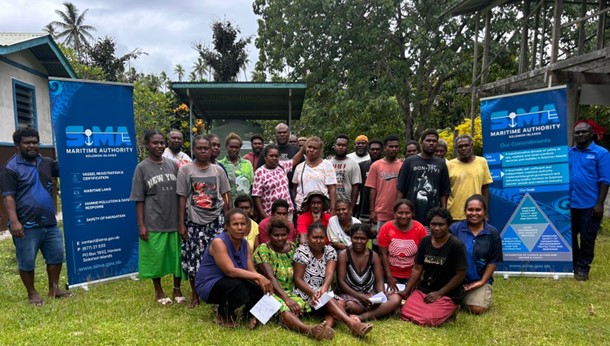
Solomon Islands sits at the intersection of major Pacific shipping routes. A previous national risk assessment identified multiple high-risk, potentially polluting wrecks close to coastal communities where local response capacity has historically been limited.
The programme aimed to close the gap between national contingency planning and local readiness. Rather than relying solely on top-down frameworks, it invested in community-level capability - where preparedness matters most.
Delivered in partnership with the Solomon Islands Maritime Authority (SIMA) and local environmental, education, and community partners, the project combined practical simulation drills, culturally appropriate awareness materials, and providing marine pollution education to schools.
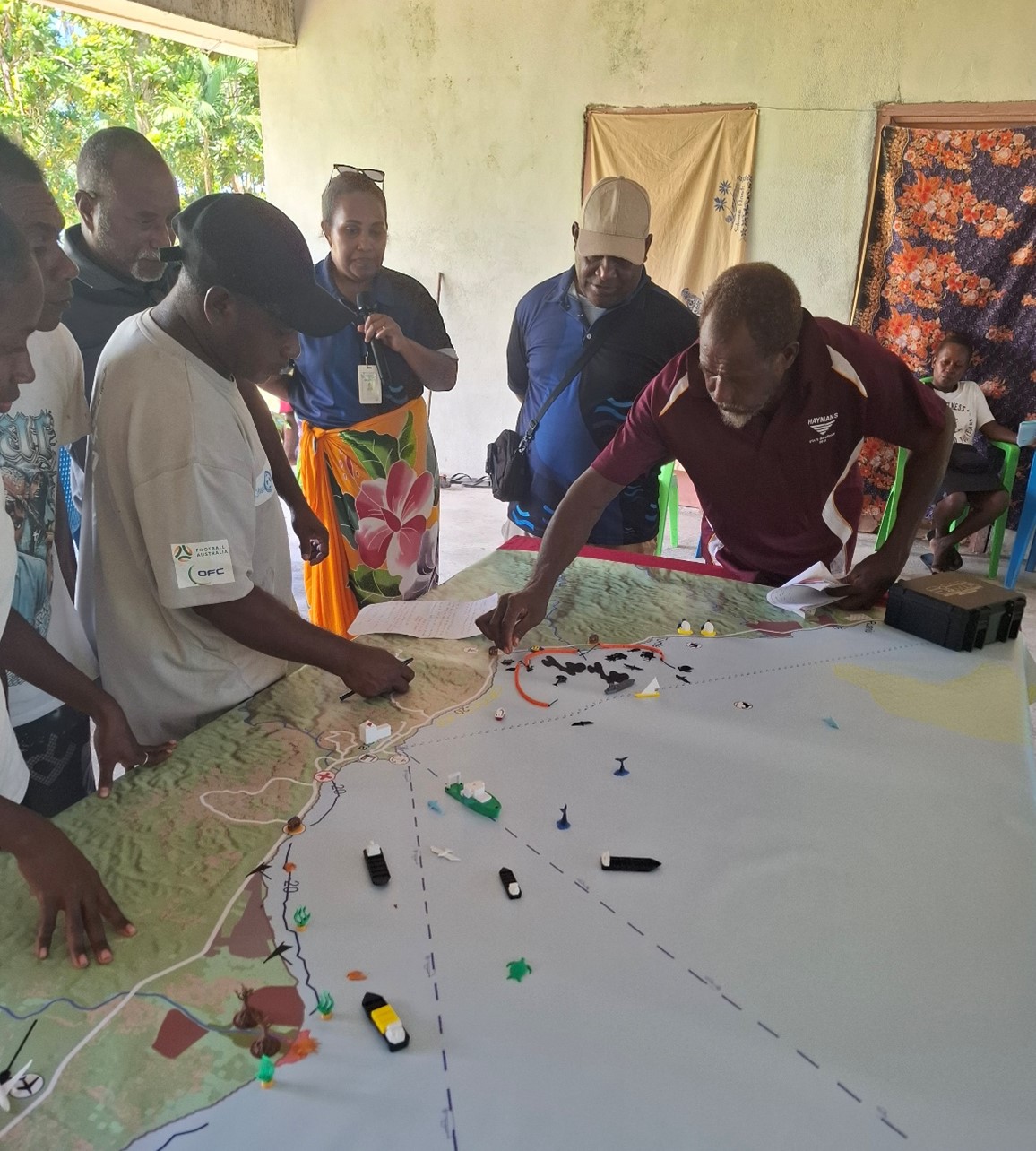
By placing communities, including women, at the centre of delivery, the project strengthens the social foundations of long-term resilience, particularly important in remote island settings where geographic isolation limits outside support.
The model is scalable and transferable to other island and coastal communities facing similar risks across the Pacific and beyond.
British Deputy High Commissioner to Solomon Islands and Nauru, Melissa Williams said:
“Oil leaks can carry devastating consequences to marine life and to communities that rely on the oceans. This is not only a public health issue, but an environmental and a socio-economic one. This is why we need to pay attention to these underwater giants. The UK is proud to support this initiative and work alongside SIMA, local authorities and the community to enhance oil-spill awareness and preparedness. These workshops, new school curriculum and education materials are the building foundations to developing locally led, long-term solutions.”
Principal Officer, Pollution and Safety Response for the Solomon Islands Maritime Authority, Diana Lazarus Vasula said:
“This project addresses the lack of resources and remoteness of the communities in enhancing their skills. These skills promote low-cost, sustainable, and community-driven solutions, ensuring that even remote communities can take immediate and effective action to minimise oil spill impacts while awaiting national response support. SIMA, as the implementing body of this project, is committed to continuing its community engagement to promote and advocate for a transformative decade of safety at sea, resilient and clean maritime services and mobility in Solomon Islands.”
This project is supported by the UK government, led by the UK’s Centre for Environment, Fisheries and Aquaculture Science (Cefas) and SIMA. It reiterates the UK government’s commitment to strengthening resilience and opportunity in vulnerable communities, consistent with the Plan for Change’s mission to build strong international partnerships that deliver tangible outcomes for people.
- Log in to post comments